
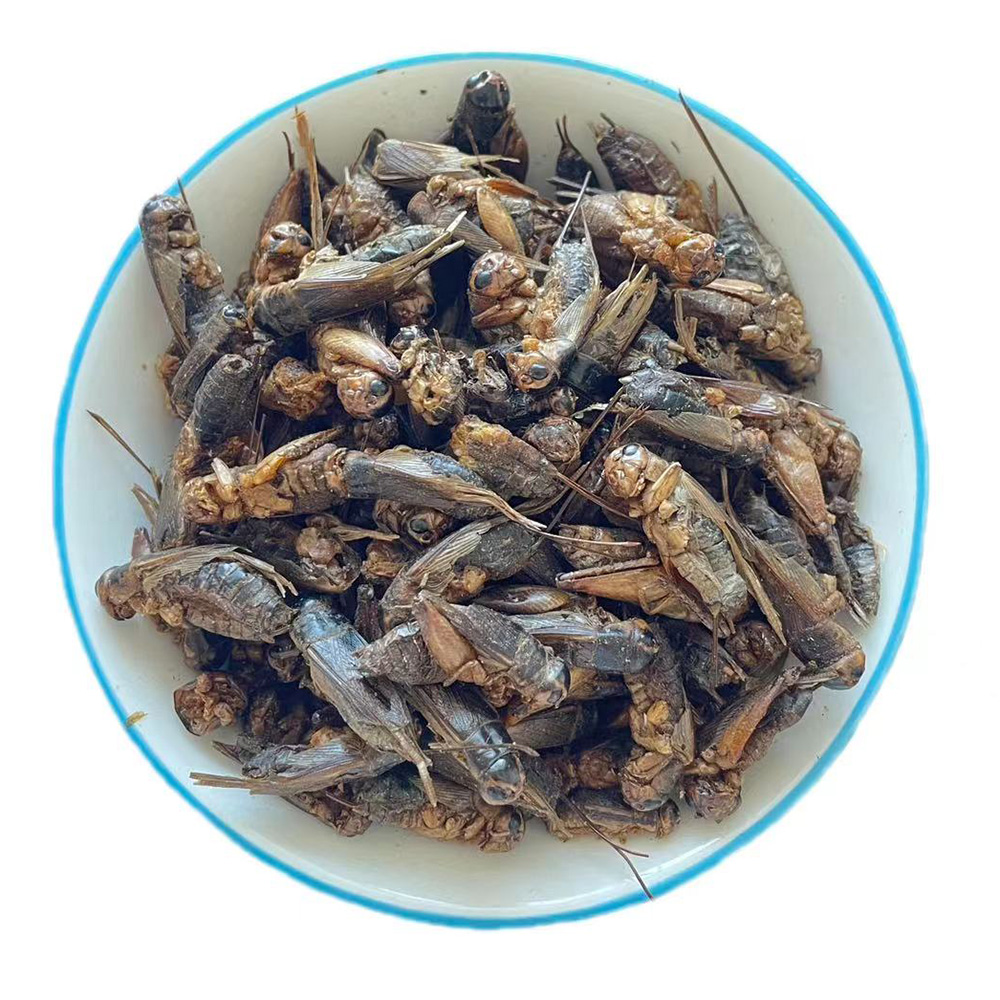
In recent years, poultry farmers and backyard chicken enthusiasts alike have been exploring natural and nutrient-rich feed options to improve the health and productivity of their flocks. Among these innovative feed supplements, dried mealworms have emerged as a favorite choice. These tiny protein-packed insects offer not only a tasty treat for chickens but also substantial nutritional benefits that promote stronger and healthier birds.
### The Nutritional Value of Dried Mealworms
Mealworms, the larvae of the darkling beetle, have long been recognized for their high protein content, essential amino acids, and healthy fats, making them an excellent dietary supplement for poultry. Dried mealworms retain these nutritional properties, providing a concentrated source of energy and nutrients that support growth, feather development, and overall well-being.
Protein is a critical component in the diet of chickens, as it directly influences muscle development, egg production, and immune system strength. The dried form of mealworms makes it easy to store and mix into regular feed without the mess or short shelf life associated with live insects. Additionally, dried mealworms contain vital minerals such as calcium and phosphorus, which are essential for strong bones and shell formation in laying hens.
### Benefits of Feeding Chickens Dried Mealworms
1. **Enhanced Growth and Development:** The high-protein content in dried mealworms provides the amino acids necessary for muscle growth and tissue repair. This is especially beneficial for young chicks during their early developmental stages.
2. **Improved Egg Production and Quality:** Layers fed with dried mealworms have shown increases in both the quantity and quality of eggs. The nutrients help in producing stronger eggshells and richer yolks.
3. **Boosted Immune System:** The nutrients in mealworms support immune health, helping chickens resist common diseases and recover more quickly from illnesses or stress.
4. **Promotes Natural Behavior:** Chickens naturally forage for insects, and offering dried mealworms allows them to engage in instinctive pecking behaviors, which can reduce stress and boredom.
5. **Convenience and Storage:** Unlike live mealworms, dried mealworms are easy to store for extended periods and can be fed as needed without requiring special maintenance.
### Sources of Quality Dried Mealworms in China
With growing awareness of the benefits of dried mealworms as poultry feed, several suppliers have stepped up to provide high-quality, affordable products for both commercial farms and individual pet owners. Among them, companies specializing in dried mealworms have focused on balancing quality with cost-effectiveness to better serve the market.
One notable supplier in China has positioned itself as a major provider of premium dried mealworms, emphasizing both superior quality and competitive pricing. Their mission centers on delivering excellent nutritional products that enable pets and poultry to thrive. By maintaining stringent quality controls and sourcing mealworms raised under optimal conditions, they ensure that the dried mealworms are safe, nutritious, and free from contaminants.
### Ensuring Quality and Affordability
Quality is paramount when it comes to feeding livestock and pets. Suppliers in this industry prioritize several key factors:
- **Source Verification:** Mealworms are sourced from well-managed farms that follow hygienic practices and avoid harmful chemicals or antibiotics.
- **Processing Standards:** The drying process is carefully controlled to preserve nutritional value while eliminating moisture that could lead to spoilage or mold growth.
- **Packaging:** Proper packaging helps maintain freshness and prevents contamination during storage and shipment.
By investing in these quality assurance measures, companies enable poultry owners to confidently incorporate dried mealworms into their feeding routines without worry.
### How to Incorporate Dried Mealworms into Your Flock’s Diet
Feeding dried mealworms to chickens can be straightforward and flexible. Here are some tips for optimal use:
- **Treat or Supplement:** Use dried mealworms as an occasional treat or mix them into the regular feed ration to boost protein intake.
- **Feeding Amounts:** For most adult chickens, small portions (a few grams per day) are sufficient. Overfeeding should be avoided to maintain a balanced diet.
- **Mixing with Feed:** Crumble the dried mealworms and scatter them over the feed or mix thoroughly so every bird can enjoy.
- **For Chicks:** Smaller quantities can be given to chicks for added protein but ensure the mealworms are ground or broken into tiny pieces to prevent choking.
### Positive Impact on Poultry Farming
Incorporating dried mealworms into chicken feed not only benefits the birds but also supports sustainable farming practices. Mealworms can be farmed using minimal land, water, and feed inputs compared to conventional protein sources, making them an eco-friendly alternative. By shifting to insect-based proteins, poultry operations can reduce their environmental footprint while enhancing flock health.
### Conclusion
The inclusion of dried mealworms in chicken diets represents a promising advancement in poultry nutrition, combining traditional knowledge of chickens’ natural diets with modern processing techniques to deliver convenience and superior quality. For poultry farmers and pet owners seeking to raise stronger, healthier chickens, dried mealworms offer a highly nutritious, affordable, and sustainable option.
As more suppliers continue to improve the quality and availability of dried mealworms, including those in China dedicated to providing premium yet cost-effective products, the adoption of this natural protein source is likely to grow. Feeding chickens dried mealworms truly enables them to achieve greater vitality, productivity, and well-being — ensuring that your flock remains robust and thriving season after season.