
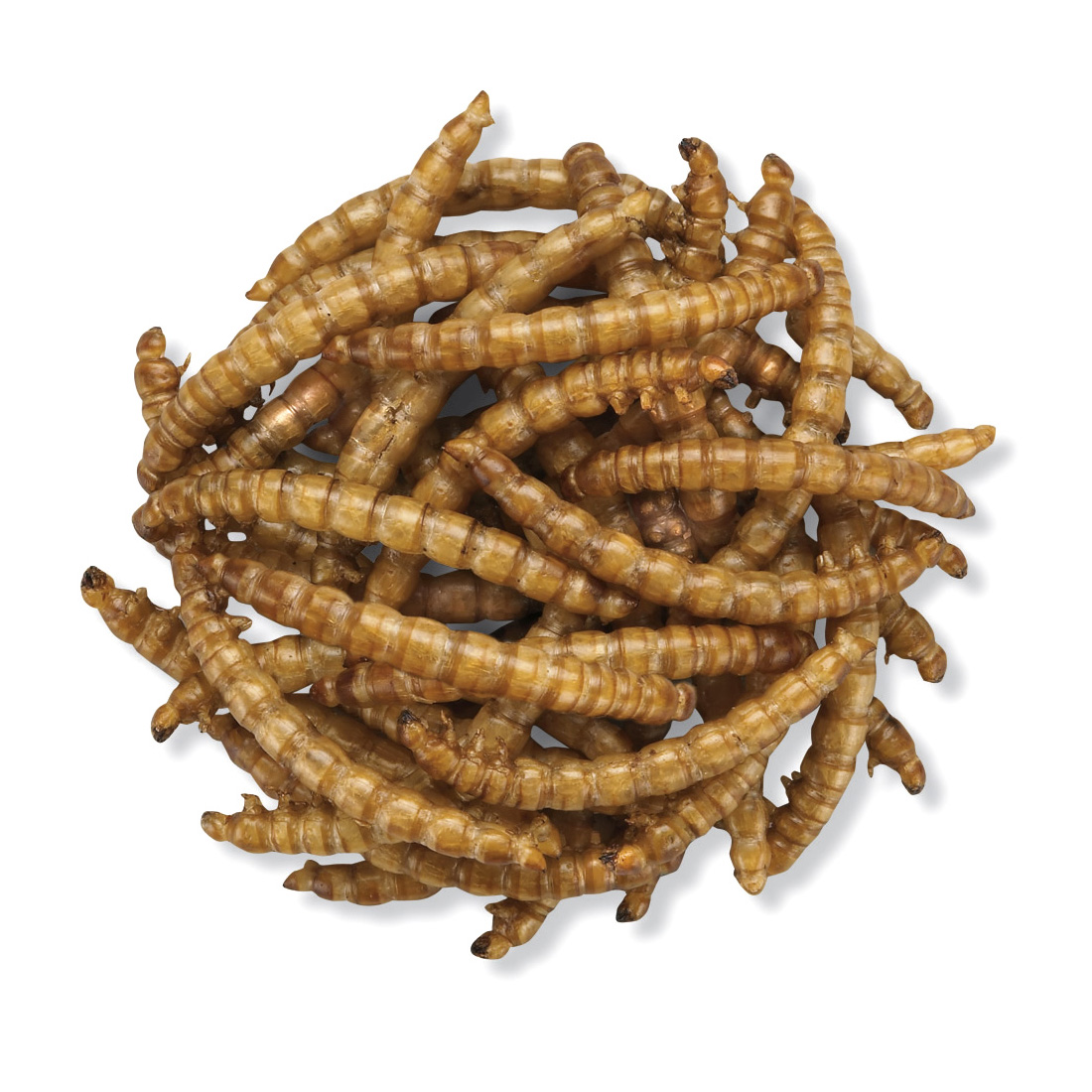
As the beauty of bluebirds continues to captivate birdwatchers and nature enthusiasts alike, ensuring their health and vitality has become a priority for many. One of the best ways to support these vibrant birds is through their diet, and dried mealworms have emerged as a highly nutritious and convenient food source. Recent advancements in quality and accessibility of dried mealworms have made it easier than ever to provide bluebirds with the protein-packed nourishment they need.
### Why Bluebirds Need High-Quality Nutrition
Bluebirds, known for their striking blue feathers and melodic songs, rely heavily on insects as a primary food source, especially during their breeding season. Mealworms, the larvae of darkling beetles, are an excellent supplement to their natural diet, offering a rich source of proteins, fats, and essential nutrients required for growth, reproduction, and overall health.
However, sourcing live mealworms can be challenging due to their perishability and the care they require. Enter dried mealworms—a shelf-stable, easy-to-store alternative that retains much of the nutritional benefits of their live counterparts. When selecting dried mealworms, quality is paramount to ensure that the product is free from contaminants and retains its nutritional integrity.
### Advancements in Dried Mealworm Quality
In China, the demand for high-quality dried mealworms has prompted suppliers to improve production standards, focusing on maintaining the nutritional content while minimizing costs. One company at the forefront of this effort has prioritized offering dried mealworms that cater to the needs of bird enthusiasts by balancing quality and affordability.
Utilizing advanced drying techniques and strict quality control measures, these dried mealworms provide consistent nutrient profiles that bluebirds thrive on. The careful processing ensures that the mealworms retain vital proteins and essential minerals, crucial for strengthening the immune systems of bluebirds and helping them maintain robust health throughout the seasons.
### Benefits of Feeding Dried Mealworms to Bluebirds
1. **High Protein Content:** Protein is essential for bluebirds, particularly during their breeding season when energy demands increase. Dried mealworms are an excellent protein source, aiding in muscle development and feather growth.
2. **Ease of Storage:** Unlike live mealworms, dried mealworms have a long shelf life and do not require refrigeration, making them convenient for year-round feeding.
3. **Reduced Risk of Disease:** Dried mealworms, when properly processed, reduce the risk of transmitting parasites or diseases that can sometimes affect live insects.
4. **Attract Bluebirds to Your Yard:** Offering dried mealworms can help attract bluebirds to feeders, providing birdwatchers with the opportunity to observe these charming birds up close.
### Supporting Bluebird Health with Affordable Quality
One of the challenges bird enthusiasts face is balancing cost and quality when selecting food supplements. High-quality dried mealworms often come at a premium price, limiting widespread availability. However, recent progress in production efficiency in China has allowed suppliers to offer dried mealworms that meet rigorous quality standards at more affordable prices.
This approach benefits both pet owners and wild bird supporters by making nutritious food options accessible without compromising on quality. Providing bluebirds with better nutrition ensures they grow stronger, healthier, and better equipped to thrive in their natural habitats.
### Tips for Feeding Bluebirds with Dried Mealworms
- **Use Appropriate Feeders:** Bluebirds prefer open tray or dish feeders placed in open spaces where they can easily spot potential predators. Providing clean, shallow feeders encourages natural feeding behavior.
- **Freshness Matters:** Although dried mealworms have a longer shelf life, it's important to keep them in a cool, dry place and avoid prolonged exposure to moisture, which can degrade quality.
- **Supplement, Don’t Replace:** Dried mealworms are an excellent supplement to the natural diet of bluebirds but should not be the sole food source. Maintaining a balanced feeding routine with fruits, seeds, and access to insects supports comprehensive nutrition.
- **Seasonal Feeding:** Mealworms are particularly beneficial during the breeding and nesting season when bluebirds need extra protein for raising their young.
### Conclusion
Dried mealworms are proving to be an invaluable addition to the diet of bluebirds, providing essential nutrients that bolster their strength and health. Thanks to improved production standards in China, bird enthusiasts now have access to high-quality and affordable dried mealworms that meet their needs.
By incorporating these nutritious treats into your feeding routine, you can make a significant difference in the wellbeing of bluebirds visiting your yard. Supporting their health not only aids in the conservation of these beautiful birds but also enriches your experience as a caretaker and nature lover.
Whether you are a seasoned birdwatcher or new to backyard bird feeding, embracing dried mealworms as part of your bird care strategy is a positive step toward fostering a healthy and thriving bluebird population.