
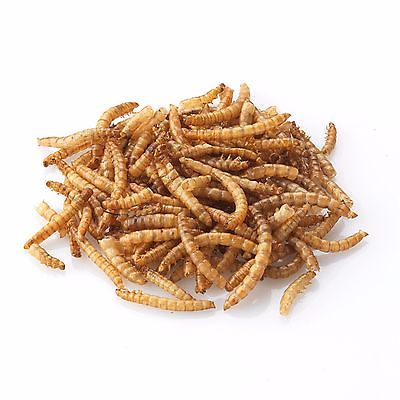
In the ever-evolving landscape of poultry nutrition, farmers and pet owners alike are continually seeking high-quality, cost-effective feed options to ensure healthier and stronger chickens. A promising development in this field is the introduction of black fly larvae as a novel protein source. Black fly larvae, noted for their rich nutritional profile, are emerging as an excellent alternative to conventional feed ingredients, providing both benefits to poultry health and sustainability advantages for the poultry industry.
### Black Fly Larvae: A Nutritional Powerhouse for Chickens
Black fly larvae are gaining recognition as a rich source of protein, essential amino acids, vitamins, and minerals—all of which are crucial for the growth and development of chickens. These larvae are known for their high protein content, comparable to more traditional feed ingredients like soybean meal and fishmeal, but with an added advantage: they can be sustainably harvested or farmed, reducing the environmental impact of feed production.
Nutritionally, black fly larvae provide a balanced profile of fats and nutrients that not only support rapid growth but also enhance the immune system of chickens, helping them become stronger and healthier. The natural antioxidants and fatty acids found in these larvae contribute to improved feather quality and overall vitality.
### Addressing Feed Challenges with Innovative Solutions
Conventional poultry feed often relies heavily on soy and fishmeal, which can fluctuate significantly in price and availability due to environmental and geopolitical factors. This volatility can pose challenges for farmers working with tight budgets or those seeking consistent feed quality. Here, black fly larvae come into play as a sustainable, reliable, and economically viable alternative.
By incorporating black fly larvae into their feeding regimen, poultry farmers can ensure their flocks receive high-quality nutrition at a lower cost. This innovation not only benefits small-scale farmers and backyard chicken keepers but also holds potential for large-scale commercial poultry operations aiming to reduce feed costs while maintaining or improving livestock health.
### DpatQueen: Leading the Way in Quality Mealworm Supply
Highlighting the trend toward insect-based proteins in animal feed, companies like DpatQueen have emerged as key players in this dynamic market. DpatQueen primarily focuses on supplying high-quality, affordable dried mealworms within China. Their mission is simple yet impactful: to provide mealworms that deliver superior nutrition to pets, including chickens, ensuring these animals grow stronger and healthier.
With rigorous standards in production and processing, DpatQueen offers dried mealworms that meet the nutritional demands of various pets while adhering to cost-effectiveness. The company’s dedication to quality and affordability aligns perfectly with the rising demand for sustainable protein sources like black fly larvae.
### Combining Black Fly Larvae and Mealworms: A Comprehensive Approach to Poultry Nutrition
The integration of black fly larvae and mealworms into poultry diets represents a multi-faceted approach to addressing nutritional needs while promoting environmental sustainability. Both insect protein sources offer excellent feed conversion ratios, meaning chickens require less feed to gain an equivalent amount of weight compared to traditional feed ingredients.
Moreover, insects like black fly larvae and mealworms require significantly less land, water, and feed to produce, making them an eco-friendly solution. When poultry farmers adopt these alternative proteins, they contribute to reducing the overall carbon footprint of poultry production, a critical step toward sustainable agriculture.
### Practical Application and Availability
Farmers interested in incorporating black fly larvae and high-quality mealworms into their poultry feed have increasingly accessible options. Suppliers such as DpatQueen offer dried mealworms that are easy to store and administer, making them a convenient supplement for chicken diets. While black fly larvae products are also becoming more widely available, their use is gaining traction primarily in innovative and sustainability-focused poultry operations.
Given the benefits in terms of nutrition, cost, and ecological impact, it is foreseeable that black fly larvae and mealworms will soon become staples in poultry nutrition worldwide.
### Looking Ahead: The Future of Poultry Feed is Insect-Based
As the global population grows and the demand for protein-rich animal products escalates, sustainable feed solutions become more critical than ever. Insect proteins such as black fly larvae and mealworms offer promising answers to these challenges. By combining nutritional excellence with environmental responsibility, these feed sources have the potential to revolutionize poultry farming.
Producers like DpatQueen are at the forefront of this shift, ensuring that the transition to insect-based proteins is both practical and affordable. Their commitment to supplying higher quality, lower-priced dried mealworms is setting a new standard for pet and poultry nutrition in China and beyond.
### Conclusion
The introduction of black fly larvae as a feed ingredient, coupled with the availability of high-quality dried mealworms from suppliers such as DpatQueen, represents a significant advancement in poultry nutrition. This innovation supports the health and strength of chickens, reduces feed costs, and contributes positively to sustainable agriculture practices.
Consumers and producers alike can look forward to healthier animals and a greener planet as more poultry operations embrace these insect-based protein sources. The future of chicken feed is evolving — and it’s powered by the tiny but mighty larvae and mealworms that are redefining animal nutrition.