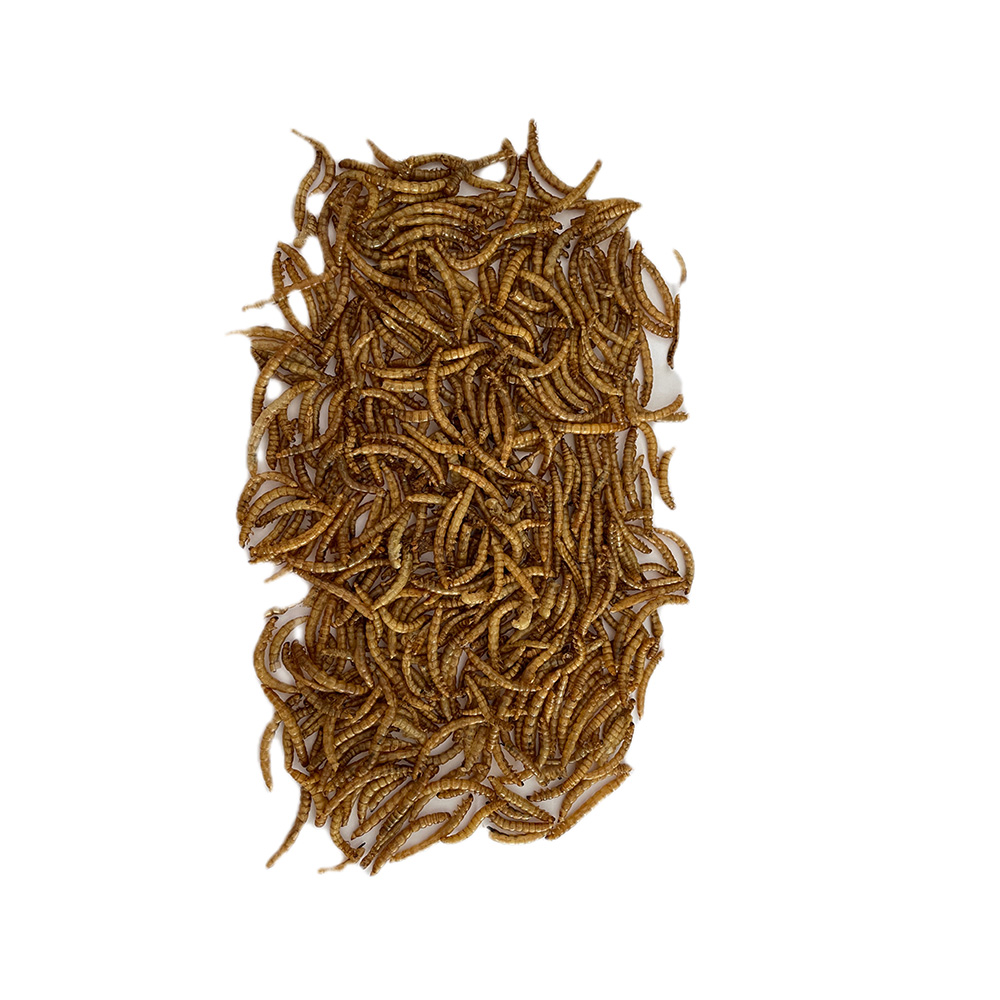
In recent years, the pet food industry has seen a growing trend towards natural, high-protein feed options for various pets, including birds, reptiles, amphibians, and fish. Among these options, dried fly larvae food has emerged as a compelling choice due to its rich nutritional value and ease of storage. Coupled with a focus on quality and affordability, companies in China are striving to meet the increasing demand for premium insect-based pet food products.
One notable supplier stepping into this space is a Chinese company dedicated to providing superior dried mealworms at competitive prices. This firm primarily focuses on elevating the standard of dried insect protein offerings, ensuring that pets receive the best possible nutrition at a price point accessible to a broad segment of pet owners.
### Nutritional Benefits of Dried Fly Larvae Food
Dried fly larvae food is considered a nutritional powerhouse for pet diets. Rich in essential proteins, fats, vitamins, and minerals, these larvae serve as an excellent source of energy and nutrition for a variety of pets. Their composition mirrors many natural prey insects, making them an ideal supplement for carnivorous and omnivorous pets alike.
Protein content in dried larvae can range between 40-60%, fueling muscle growth and maintaining healthy skin and coat. Essential fatty acids found in the larvae support cognitive function and overall vitality. Furthermore, the presence of chitin—a natural fiber found in insect exoskeletons—aids in digestion, particularly for animals that consume hard-to-digest food.
Importantly, drying the larvae not only preserves their nutritional content but also extends shelf life, making it convenient for pet owners to store and use as needed without frequent replacements.
### The Growing Market for Insect-Based Pet Food in China
Pet ownership in China has surged over the past decade, with millions of households embracing pets as companions. This rise has sparked demand for diverse, nutritious, and affordable pet foods. Insect-based pet foods, including dried mealworms and dried fly larvae, have drawn attention for their sustainability and nutritional benefits.
Insects require significantly less water, land, and feed to produce compared to traditional livestock, aligning well with environmentally conscious consumer values. Additionally, their rapid breeding cycles ensure a steady supply, preventing shortage issues common in some protein sources.
The Chinese market, being vast and diverse, is ripe for growth in insect-based pet foods. Increasing awareness regarding pet health and nutrition, coupled with innovations in insect farming and processing, fuels this sector’s promising expansion.
### Commitment to Quality and Affordability: Meeting Market Needs
Recognizing the importance of quality and price balance, the company specializing in dried mealworms offers carefully sourced and processed insect foods designed to meet the needs of pet owners across China.
The company’s philosophy stems from a core belief: pets deserve high-quality nutrition to grow stronger and healthier. By refining processing methods and controlling supply chain efficiencies, the company ensures its dried insect products maintain nutrient integrity while remaining economically priced.
Higher quality dried mealworms and fly larvae mean fewer contaminants and a more consistent product that guarantees safe consumption and optimal nutritional delivery for pets. This ensures pet owners have confidence in the product they provide to their beloved animals.
Pricing strategy is another critical factor. The company continually optimizes production and distribution costs to offer dried insect foods at prices more affordable than many competing products. This approach enables pet owners from diverse economic backgrounds to access premium nutrition for their pets without financial strain.
### How Dried Fly Larvae Food Fits Into Pet Diets
Dried fly larvae can be incorporated into pet diets in multiple ways:
- **Birds and Aviary Pets**: High-protein larvae can be sprinkled over regular feed or given as treats, supporting feather development and energy levels.
- **Reptiles and Amphibians**: Feeding dried larvae helps mimic natural dietary patterns and supports metabolic health.
- **Fish**: Layers of dried larvae added to fish tanks provide an excellent source of protein and stimulate feeding behaviors.
- **Small Mammals**: Pets such as hedgehogs, sugar gliders, and some rodents benefit from occasional insect snacks for balanced nutrition.
Its ease of storage and long shelf life make dried larvae an ideal pantry staple. Pet owners do not need to worry about spoilage and can measure quantities precisely to suit their pet’s needs.
### Future Prospects and Sustainability Impact
As environmental sustainability gains greater attention worldwide, insect-based pet foods like dried fly larvae stand out as eco-friendly alternatives to conventional animal-based proteins. Reduced greenhouse gas emissions, low water usage, and minimal land requirements make insect farming a sustainable protein production option.
Moreover, scaling production with a focus on hygiene and safety will bring about increased consumer trust and wider adoption. Companies committed to maintaining these standards will lead the market and shape future consumption patterns.
### Conclusion
Dried fly larvae food represents a robust, nutritious, and sustainable feed option for pet owners looking to enhance their pets’ diets with natural protein sources. Backed by suppliers focused on offering higher quality and affordable dried mealworms and larvae in China, this niche is becoming accessible to a growing number of households. With benefits ranging from nutritional richness to environmental advantages, dried fly larvae food is poised to become a staple in pet nutrition across China and beyond.
As awareness continues to rise and production technologies evolve, pet owners will increasingly turn to these insect-based foods to ensure their pets live stronger, healthier lives—fueled by nature’s own high-quality protein source.