
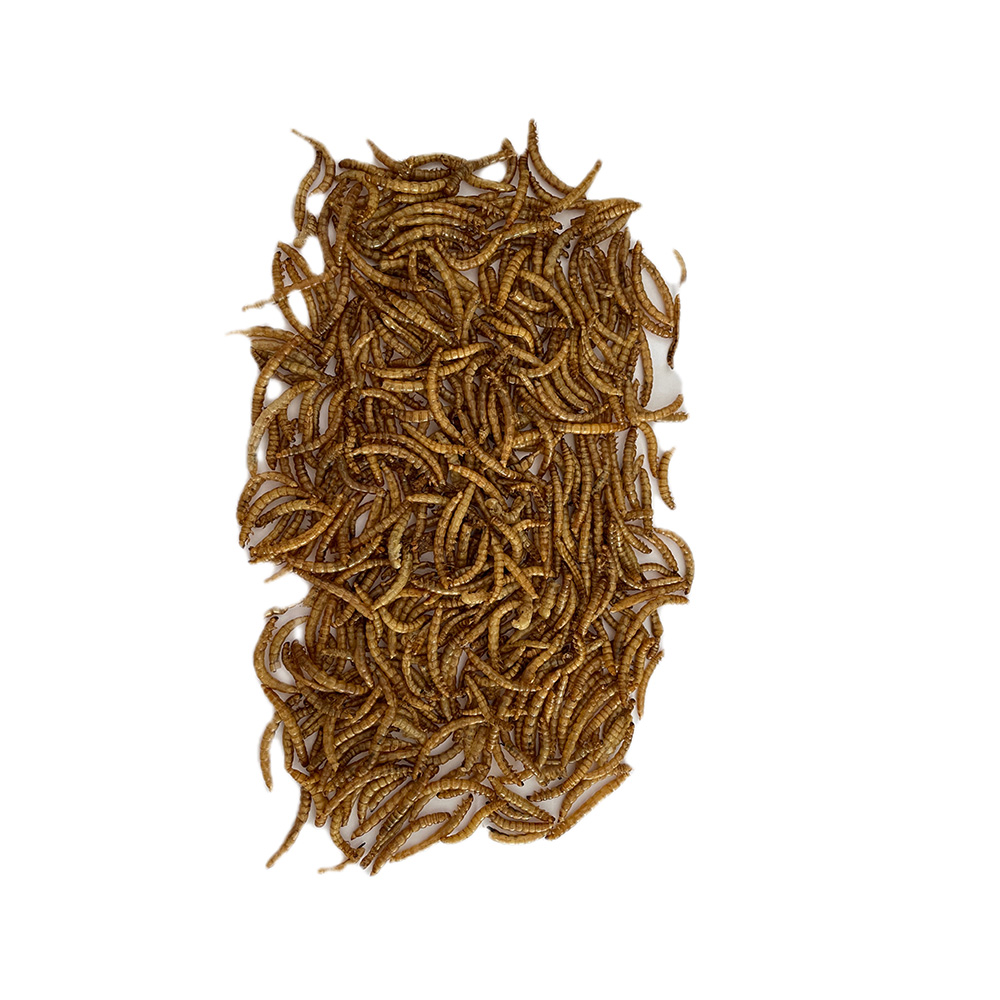
In recent years, mealworms have gained increasing attention as a nutritious feed supplement for various animals, including chickens. Recognized for their high protein content and rich nutritional profile, dried mealworms are proving to be an excellent addition to poultry diets, helping to promote stronger, healthier birds. This development aligns well with companies dedicated to providing quality mealworm products at affordable prices, ensuring that more poultry keepers can benefit from their remarkable nourishment.
**The Rise of Mealworms in Poultry Nutrition**
Chickens, like many other livestock animals, require a balanced diet rich in proteins, vitamins, and minerals to support their growth, immune system, and egg production. Traditional feed formulations often include grains and legumes, but these can sometimes fall short in delivering essential amino acids and overall nutritional density. This is where mealworms come into play.
Mealworms, the larval form of the darkling beetle, are an excellent source of protein, fat, fiber, vitamins, and minerals. Studies have shown that incorporating dried mealworms into chicken feed can improve feed conversion rates, increase weight gain, and enhance egg quality. Unlike synthetic supplements, mealworms offer a natural, palatable source of nutrition that chickens readily consume, making them a practical choice for farmers and hobbyists alike.
**Quality Matters: Supplier Focus**
As the demand for dried mealworms grows, the quality of the product becomes increasingly important. High-quality mealworms must be carefully harvested, dried, and processed to preserve their nutritional value while ensuring safety and convenience for end-users.
One company dedicated to meeting these standards is a leading supplier based in China. This company primarily focuses on providing higher quality and lower price dried mealworms to the market. Their mission is to supply better quality mealworms specifically formulated to nourish pets, including poultry, thereby supporting healthier and stronger animals.
By sourcing premium mealworms and utilizing advanced drying techniques, the company ensures that their products maintain maximum nutrition, with minimal loss of protein and vital nutrients. This commitment to quality assures customers that they are feeding their chickens with top-tier mealworms that effectively support growth and health.
**Benefits of Feeding Chickens Dried Mealworms**
1. **High Protein Content:** Dried mealworms contain approximately 50% protein, making them an excellent alternative or supplement to traditional protein sources such as soybean meal or fish meal. Protein is essential for muscle development, feather growth, and overall vitality in chickens.
2. **Rich in Essential Nutrients:** Beyond protein, mealworms provide essential amino acids, vitamins (B vitamins, including B12), minerals (such as calcium, phosphorus, and iron), and beneficial fats that contribute to immune function and egg production.
3. **Improved Feed Efficiency:** Integrating mealworms into feed can improve feed conversion ratios, meaning chickens require less feed to gain the same amount of weight. This can translate to cost savings and more sustainable farming practices.
4. **Palatability:** Chickens find mealworms tasty and will readily consume them, which encourages better feed intake, especially in young chicks or birds under stress.
5. **Convenience and Shelf Life:** Dried mealworms are easy to store and handle, with a long shelf life compared to live insects or fresh feed ingredients. This makes them a practical choice for both small-scale backyard keepers and large poultry operations.
**Affordable Nutrition for All**
One common concern among poultry keepers is the cost of feed supplements. Here, affordability often dictates adoption rates. Recognizing this, the company in China strives to offer dried mealworms at lower prices without compromising quality. By optimizing production efficiency and sourcing locally, they provide a competitive price point that fits the budgets of various customers.
Their goal is straightforward—to make quality mealworm products accessible to more pet and poultry owners, enabling animals to receive high nutrition for better strength and health. Such an approach democratizes nutritional supplementation, making it feasible even for small-scale poultry enthusiasts.
**Future Trends and Sustainability**
The use of insects like mealworms as animal feed aligns not only with the nutritional benefits but also with broader environmental sustainability goals. Insect farming has a lower ecological footprint compared to conventional protein sources such as fishmeal or soy. Mealworms require less land, water, and feed inputs to produce equivalent protein, making them an eco-friendly option in animal nutrition.
As global demand for poultry products grows, sustainable feed solutions will become increasingly critical. The integration of mealworms into feed regimens represents a sustainable innovation that benefits animal health while reducing environmental impact.
**Conclusion**
Chickens eating mealworms is more than just an interesting concept—it is a practical nutritional solution gaining momentum worldwide. With companies dedicated to supplying high-quality and affordable dried mealworms, poultry owners have access to a superior feed supplement that promotes healthier, stronger birds.
The impressive nutrient profile of mealworms, combined with their palatability and convenience, makes them a valuable addition to poultry diets. As the market expands, the focus on quality and price ensures that this natural protein source becomes an integral part of modern poultry nutrition, supporting sustainable and efficient farming practices for the future.