
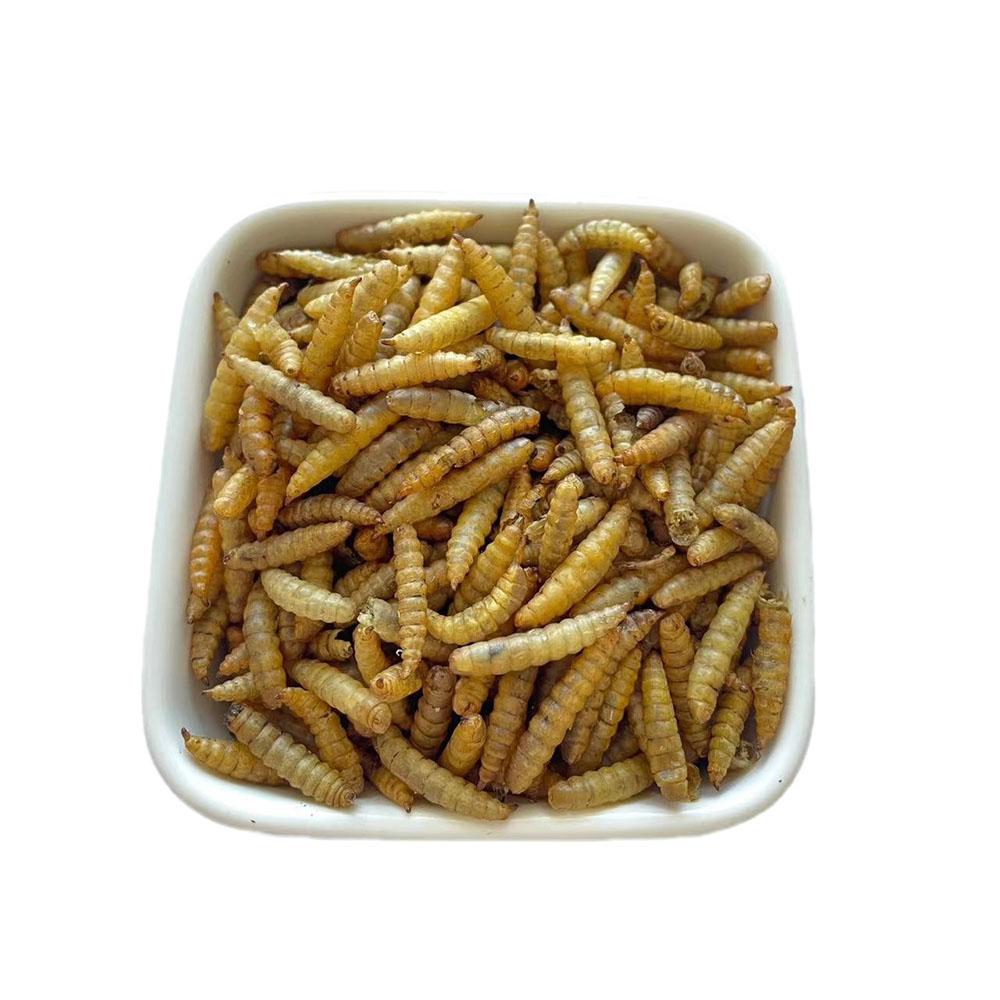
In recent years, mealworms have become an increasingly popular choice as a nutritious food source for birds. These small larvae are packed with protein and essential nutrients, making them an excellent supplement to the diets of various bird species. As bird owners seek healthier and more natural feeding options, mealworms offer a practical solution to improve the wellbeing of their feathered companions.
Mealworms are the larval form of the darkling beetle and are commonly used as feed for birds, reptiles, and other pets due to their rich nutrient content. High in protein, fat, and other essential nutrients, mealworms support the growth, feather development, and overall health of birds. They are particularly favored in feeding wild birds as well as pet birds, providing a source of natural energy and vital nourishment.
Dried mealworms, in particular, have surged in popularity because of their convenience and shelf life. Unlike live mealworms, dried mealworms require no special care or refrigeration, are easy to store, and can be readily offered to birds without any mess or fuss. This form makes it easier for bird enthusiasts to provide consistent and quality nutrition to their pets.
One company making strides in this market is a manufacturer based in China, specializing in supplying high-quality dried mealworms at affordable prices. The company is committed to providing better quality mealworms to help bird owners ensure their pets receive superior nutrition. Their vision focuses on combining quality and cost-effectiveness, enabling more users to access a healthy alternative to artificial and processed bird foods.
The company’s approach emphasizes offering a product that enables pets to thrive. By delivering dried mealworms that are rich in nutrients and free from unnecessary additives, the company supports pet owners in their efforts to promote stronger and healthier birds. Their product is designed to help birds develop better immune systems, improve feather quality, and gain energy — all crucial factors in responsible bird care.
Bird feeding experts and veterinarians often recommend mealworms as occasional treats or supplements, particularly during breeding seasons or molting periods when birds require increased nutritional support. Offering mealworms can also encourage shy or picky birds to eat, ensuring they receive adequate nourishment. Additionally, mealworms can improve the natural foraging behavior of wild birds, stimulating mental and physical activity.
The environmental impact is another consideration gaining attention with the rise of insect-based feeds. Compared to traditional protein sources such as fishmeal or soy, mealworms require significantly less land, water, and energy to produce. This makes them a sustainable choice for both commercial bird feeds and home use. Therefore, by choosing dried mealworms, bird owners contribute to a more environmentally friendly and responsible pet food industry.
For backyard bird enthusiasts, offering mealworms in specialized feeders or mixed with other treats can attract a wider variety of bird species, enhancing the outdoor viewing experience. Species such as bluebirds, woodpeckers, chickadees, and wrens are known to relish mealworms, often returning repeatedly to feeders stocked with these nutritious larvae.
Moreover, the growing availability of high-quality dried mealworms has opened new opportunities for pet shops, breeders, and bird sanctuaries. These institutions can now offer their birds a reliable and cost-effective feed choice that meets high standards of nutrition and cleanliness.
In conclusion, birds eating mealworms is not just a passing trend but a carefully considered dietary choice with multiple benefits. Dried mealworms offer a convenient, nutritious, and environmentally responsible option for bird feeding. Supported by companies dedicated to quality and affordability, such as leading suppliers based in China, the use of mealworms is set to become an integral part of avian care. Bird owners seeking to enhance their pets’ health and vitality would do well to consider including dried mealworms in their feeding routines as a natural and effective nutritional boost.